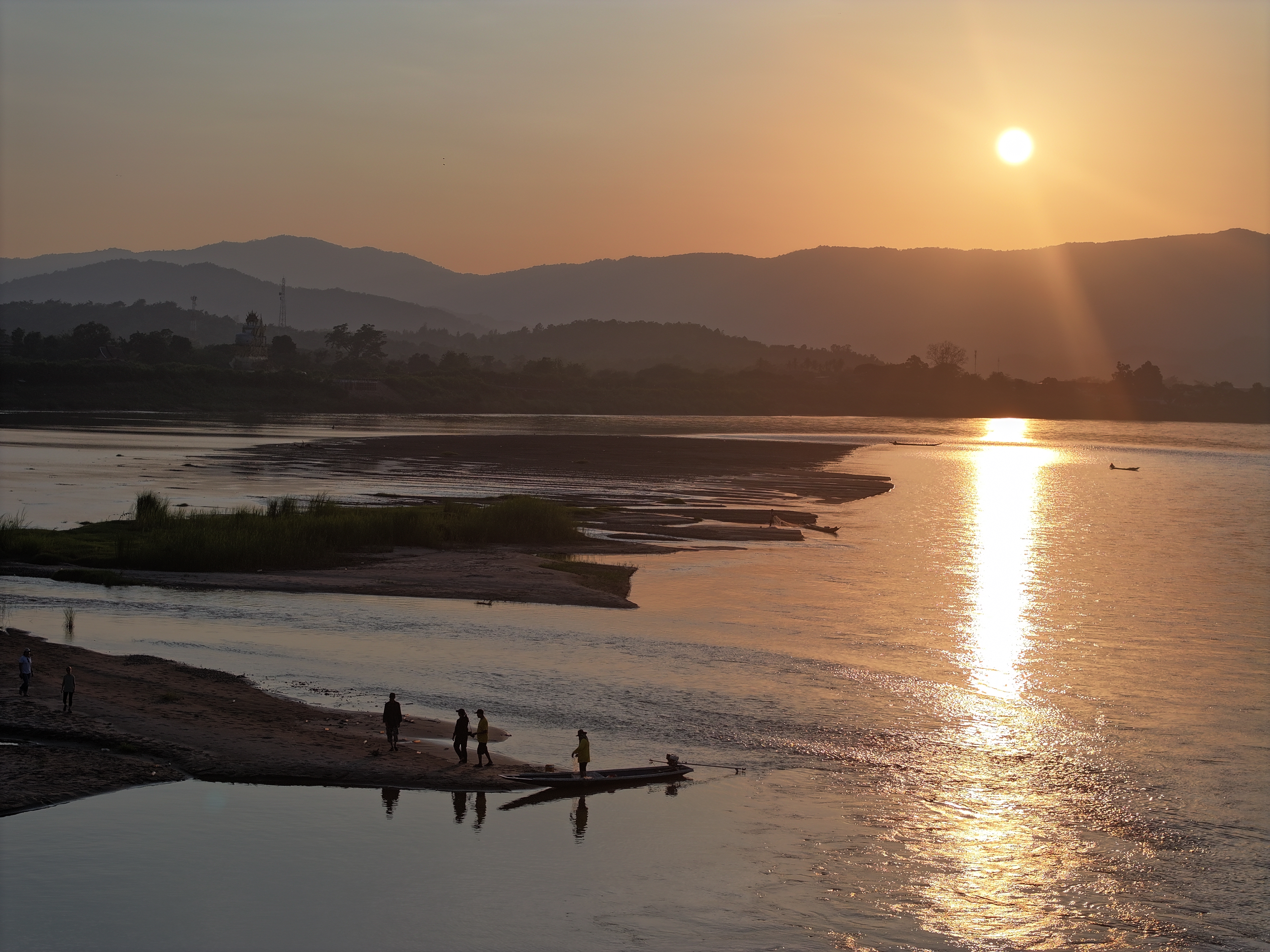
Freshwater Frontlines produces original, field-based journalism about the world's rivers, lakes, and wetlands, and places it in the media outlets most likely to move public understanding and policy.
It is a global, independent journalism initiative affiliated with the University of Nevada, Reno's Tahoe Institute for Global Sustainability. The initiative funds reporting on globally significant and underreported freshwater issues — investigative work on extraction and corruption, biodiversity collapse, Indigenous leadership in river governance, climate impacts, and restoration that is working.
Water degradation is often not a byproduct — it's a business. Freshwater Frontlines exists to expose that, and to tell the stories the world urgently needs to hear.
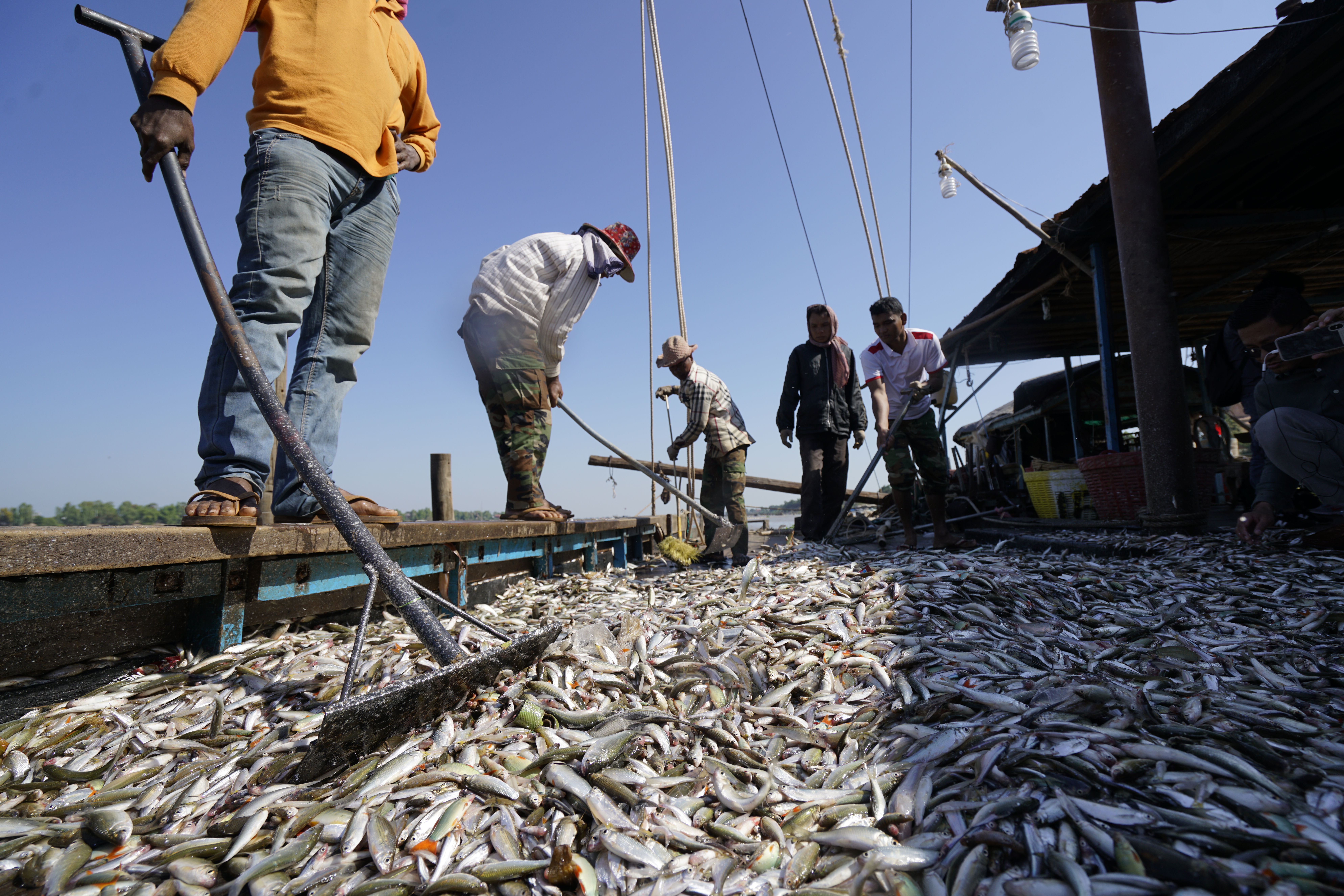
What We Cover
Power & Corruption
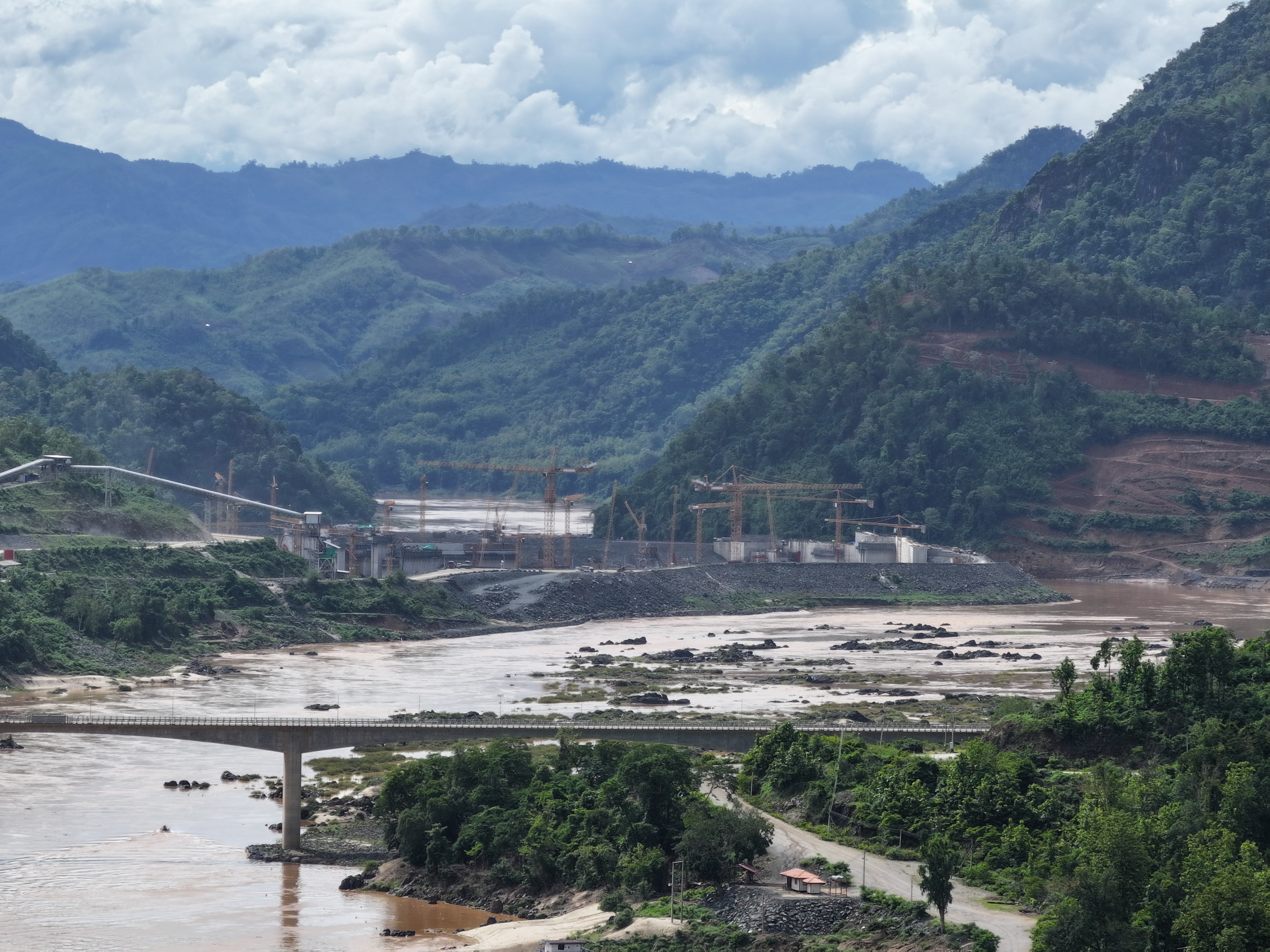
Investigations into illicit sand mining, rare earth extraction, questionable dam projects, and the regulatory failures fueling freshwater decline.
Biodiversity Collapse
Tracking the alarming loss of freshwater species — from ancient sturgeon to giant river fish — and the cascading impacts on ecosystems and food webs.
Indigenous Stewardship
Spotlighting Indigenous nations leading transformative approaches to river governance, from granting legal rights to waterways to blending traditional knowledge with science.
Climate & Freshwater
How climate extremes — floods, droughts, glacial loss — are unraveling water systems and exposing outdated infrastructure.
River Restoration
Where restoration is working — from dam removals to rewilded floodplains — bringing rivers back to life.
Protecting What Remains
Covering urgent efforts to safeguard the last wild and free-flowing rivers, intact wetlands, and cultural water landscapes.
How We Work
Stories are produced for leading media outlets with the reach, rigor, and audience to elevate freshwater issues on the global stage. The initiative leans toward United States coverage while remaining international in scope and perspective.
Freshwater Frontlines operates independently, free from editorial influence by sponsors or institutional partners. Donors support the journalism — not the editorial decisions. The University of Nevada, Reno provides structural support and scientific collaboration while respecting full journalistic autonomy.
How Support Works
All gifts to Freshwater Frontlines are made to and administered by the University of Nevada, Reno. Contributions are directed to a designated fund at the university and released to support reporting costs: travel to field sites, photography, translation, fact-checking, and research assistance.
Giving through the university means contributions are handled with the financial oversight, accounting, and reporting standards of a public research institution, and gifts are tax-deductible to the extent allowed by law.
Editorial independence is preserved by design. Neither the university nor any donor reviews, approves, or directs story selection, reporting, or publication.
Support is welcome from foundations, individual donors, and institutions. Funding at any level extends the reporting; larger and multi-year commitments make it possible to plan ambitious investigations that take months rather than weeks. To discuss giving, including gift designation and recognition, please get in touch.
Documentary Filmmaking
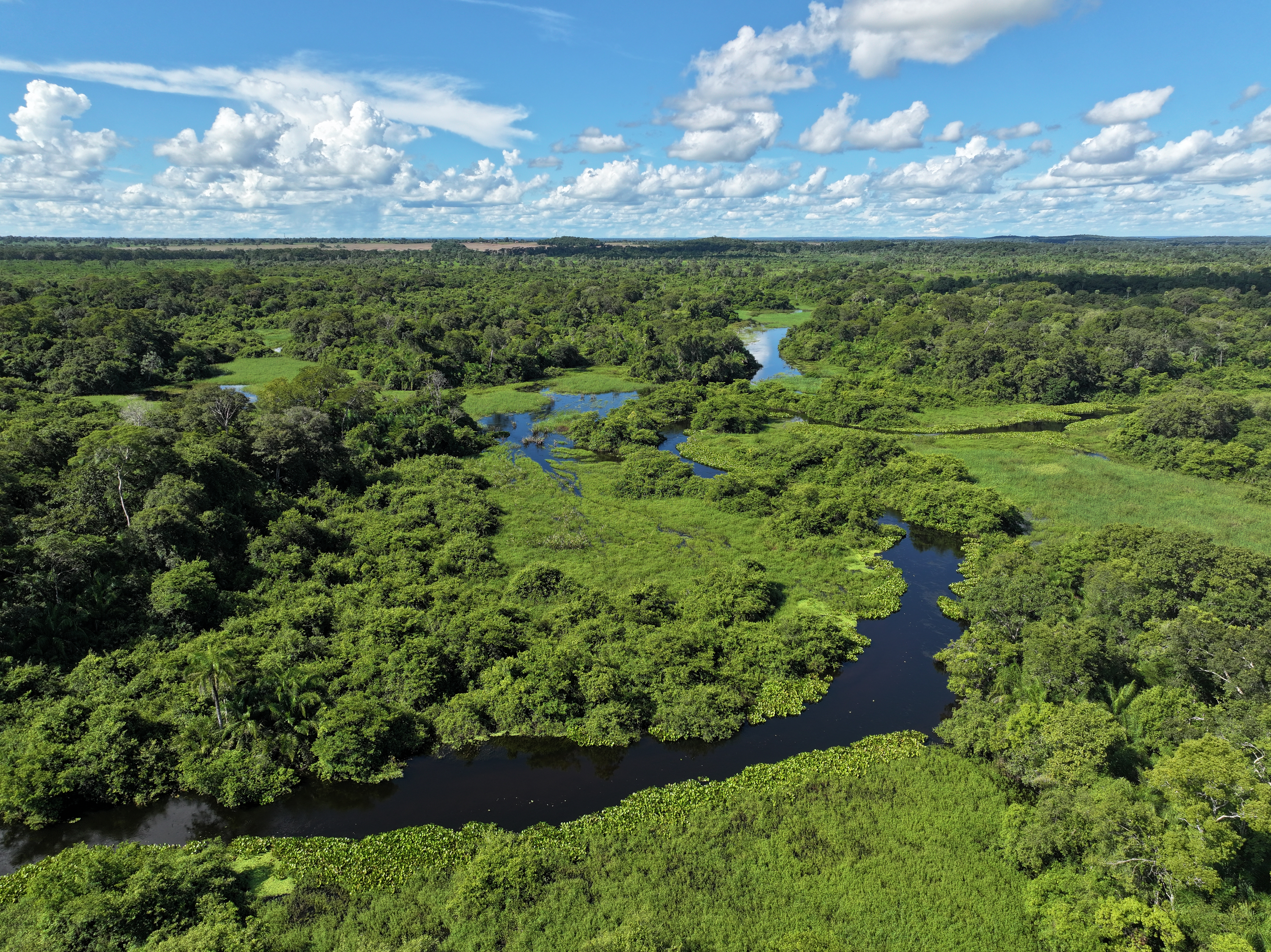
As part of its broader mission, Freshwater Frontlines is developing a documentary based on the book Chasing Giants by Zeb Hogan and Stefan Lovgren. The film will bring to life the search for the world's largest freshwater fish — weaving together science, conservation, and adventure across some of the planet's most critical and imperiled river systems. Broadcast distribution through a major international outlet is being pursued, ensuring the film reaches a wide global audience.
About the Project Lead
Stefan Lovgren has spent 30 years reporting from around the world, with freshwater ecosystems emerging as his central beat. As research faculty at the University of Nevada, Reno, he has worked closely with leading scientists, conservationists, and communities on the front lines of freshwater protection. His work with National Geographic and the Wonders of the Mekong project helped elevate major freshwater stories to global audiences. He is co-author, with Zeb Hogan, of Chasing Giants: In Search of the World's Largest Freshwater Fish (University of Nevada Press, 2023).
Why this work is urgent
Freshwater ecosystems cover less than one percent of Earth's surface, yet support a third of all vertebrate species. Freshwater vertebrate populations have fallen 85 percent since 1970, the steepest collapse of any ecosystem on Earth — and one that has drawn a fraction of the coverage given to forests and oceans.
Read: The freshwater crisis →